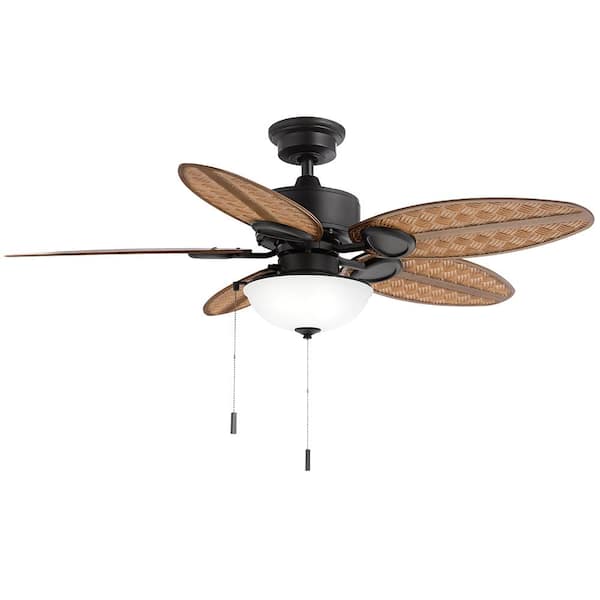
Difference Between Indoor And Outdoor Ceiling Fans : Indoor Outdoor Ceiling Fans Guide Dry Wet Damp Ul Listed Rating Delmarfans Com - She'll highlight the differences in models that are ul listed for damp locations versus wet locations.. If you use an indoor fan outdoors, you can expect the blades to warp and the housing to rust. On average, a typical ceiling fan has an airflow generation of about 5,500 cfm and consumes 70 w of energy. In the worst case, you're running an extreme risk of fire. The materials and design determine the rating. Ceiling fans come with three ratings, dry, damp and wet.
Perfect for your covered patio or porch, they can also be used indoors. Indoor ceiling fans have different qualities than outdoor ceiling fans, especially when it comes to withstanding the exterior elements. There are multiple sizes such as 52 inches, 60 inches, 70 inches, 88 inches, and 99 99 inches. The best of ceiling fans can generate the highest possible cfm at the lowest possible power consumption. In the worst case, you're running an extreme risk of fire.
Hampton Bay Lakemoore 48 In Led Indoor Outdoor Matte Black Ceiling Fan With Light Kit 50248 The Home Depot from images.thdstatic.com Open great rooms indoor with big ceiling spaces to fill; Outdoor fans must also use a stronger motor to cool your open space. While an indoor ceiling fan is perfect for cooling your home inside, the motor and blades are not made for your outside living areas. 60 ceiling fans became available, but still people wanted more substantial options. They are not approved for outdoor areas. Watch associate donna demonstrate outdoor ceiling fans. The difference between outdoor and indoor fans is their tropical rating. The main difference between an outdoor fan and an indoor fan is the materials in which they are made of.
The benefits of investing in an outdoor fan.
They should never be used in outdoor conditions, or in a room where they will meet with moisture at any time. Outdoor fans must also use a stronger motor to cool your open space. The benefits of investing in an outdoor fan. The best of ceiling fans can generate the highest possible cfm at the lowest possible power consumption. It has a top airflow capacity than 7929 cfm. Consider your lifestyle and also the number of ceiling fans in your space—if you have two outdoor fans, you'll need to be sure you can control both of them with ease. Although you do use less electricity and therefore save money there, it is minimal. October 6, 2016 by gil leave a comment. Dry ratings are designed for indoor use only. Hunter ceiling fans with biscayne. The differences between indoor fans and outdoor fans She'll highlight the differences in models that are ul listed for damp locations versus wet locations. The main difference between indoor and outdoor ceiling fans lies in their ul rating.
You'll want to find one that perfectly complements the space you're looking to add it in, and actually fits! The best of ceiling fans can generate the highest possible cfm at the lowest possible power consumption. The difference between these outdoor fan types focuses on how much moisture the fixture may be exposed to. And even greater in size outdoor entertainment areas caused the 52 ceiling fans of yesterday to just not be able to get the job done. A ul rating is determined by looking at the fan's electrical components and determining if it runs the risk of electrical shock or fires when exposed to moisture.
Indoor Versus Outdoor Ceiling Fans What S The Difference from blog.ceilingfan.com The materials and design determine the rating. Outdoor fans need to stand up against the weather and environmental conditions. Ideally, aim for at least 12 inches. Hunter ceiling fans with biscayne. It has a top airflow capacity than 7929 cfm. Putting a ceiling fan in your porch, verandah, sunroom or deck is a great way to keep your cool when you're enjoying lunch, cocktails, tea or some quiet reading time in your outdoor room. Open great rooms indoor with big ceiling spaces to fill; Indoor ceiling fans have different qualities than outdoor ceiling fans, especially when it comes to withstanding the exterior elements.
What is the difference between indoor and outdoor ceiling fans?
On average, a typical ceiling fan has an airflow generation of about 5,500 cfm and consumes 70 w of energy. For rooms with ceilings eight feet or shorter, flush mount fans like the cirrus flush mount ceiling fan from modern fan company are the ideal option. The main difference between indoor and outdoor ceiling fans lies in their ul rating. Dc ceiling fans tend to be more expensive when compared to an equivalent ac model. Outdoor fans need to stand up against the weather and environmental conditions. These are rated for indoor use only. There are multiple sizes such as 52 inches, 60 inches, 70 inches, 88 inches, and 99 99 inches. The more space between the ceiling and the blades, the better for air flow and circulation. 60 casa largo modern outdoor ceiling fan #7 for small space. October 6, 2016 by gil leave a comment. While an indoor ceiling fan is perfect for cooling your home inside, the motor and blades are not made for your outside living areas. She'll highlight the differences in models that are ul listed for damp locations versus wet locations. Perfect for your covered patio or porch, they can also be used indoors.
Although you do use less electricity and therefore save money there, it is minimal. On average, a typical ceiling fan has an airflow generation of about 5,500 cfm and consumes 70 w of energy. This article discusses these differences and provides helpful information about what to look for in an. Wet ceiling fans are designed for your outdoor patios where the elements will directly affect the fan. If it's too small, however, the air it blows may not reach you, so make sure the blades are large enough (but not within 24 inches of walls).
12 Best Outdoor Ceiling Fans Small Large Models 2021 from www.homeair.org The benefits of investing in an outdoor fan. Outdoor fans are made of materials that can withstand high winds and weather elements. Open great rooms indoor with big ceiling spaces to fill; What is the difference between indoor and outdoor ceiling fans? Dc ceiling fans tend to be more expensive when compared to an equivalent ac model. The main difference between an outdoor fan and an indoor fan is the materials in which they are made of. In the worst case, you're running an extreme risk of fire. While an indoor ceiling fan is perfect for cooling your home inside, the motor and blades are not made for your outside living areas.
Like damp ceiling fans, the wet models have been tested and certified to be safe to use in locations that may experience direct exposure to water or other liquids.
The difference between performance and noise level between ceiling fans with any number of blades is negligible. What is the difference between indoor and outdoor ceiling fans? This difference between indoor and outdoor ceiling fans graphic has 20 dominated colors, which include parasite brown, suede vest, hazelnut milk, decaying leave, dwarven bronze, skullcrusher brass, oak shaving, snowflake, iris eyes, vodka, white, blue tapestry, victorian plum, mythical blue, pig iron, cab sav, ivory, identity, foundation. These are rated for indoor use only. The best of ceiling fans can generate the highest possible cfm at the lowest possible power consumption. Yet many people do not even know that there is a difference between indoor and outdoor ceiling fans, or that some outdoor fans are ok in the rain while others are not. Unlike indoor fans, outdoor ceiling fans are specially developed to handle exposure to the elements without the risk of electrical shock or fire. For rooms with ceilings eight feet or shorter, flush mount fans like the cirrus flush mount ceiling fan from modern fan company are the ideal option. Sitting and enjoying the outdoors is the best part of summer, but not if you're stifling in the heat. Ceiling fans come with three ratings, dry, damp and wet. The main difference between an outdoor fan and an indoor fan is the materials in which they are made of. October 6, 2016 by gil leave a comment. And even greater in size outdoor entertainment areas caused the 52 ceiling fans of yesterday to just not be able to get the job done.